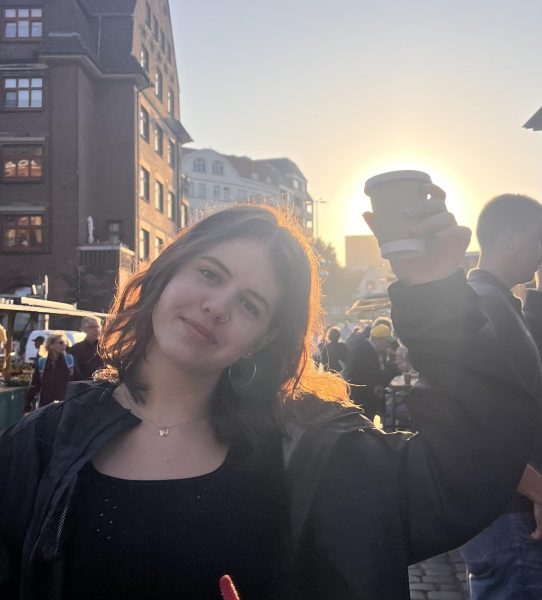

Last week I was sitting in the cafeteria when one of my friends walked in wearing denim jorts, a white tee, and a slicked back bun. “You’re so clean girl-coded” someone said, and everyone nodded in agreement. But as I looked around, I realized that many other girls in the cafeteria mimicked that same style with the same minimal makeup and neutral outfits, the same “effortless” aesthetic that took us all hours to perfect. It made me wonder: are we dressing for ourselves or performing for someone else’s idea of what we should look like?
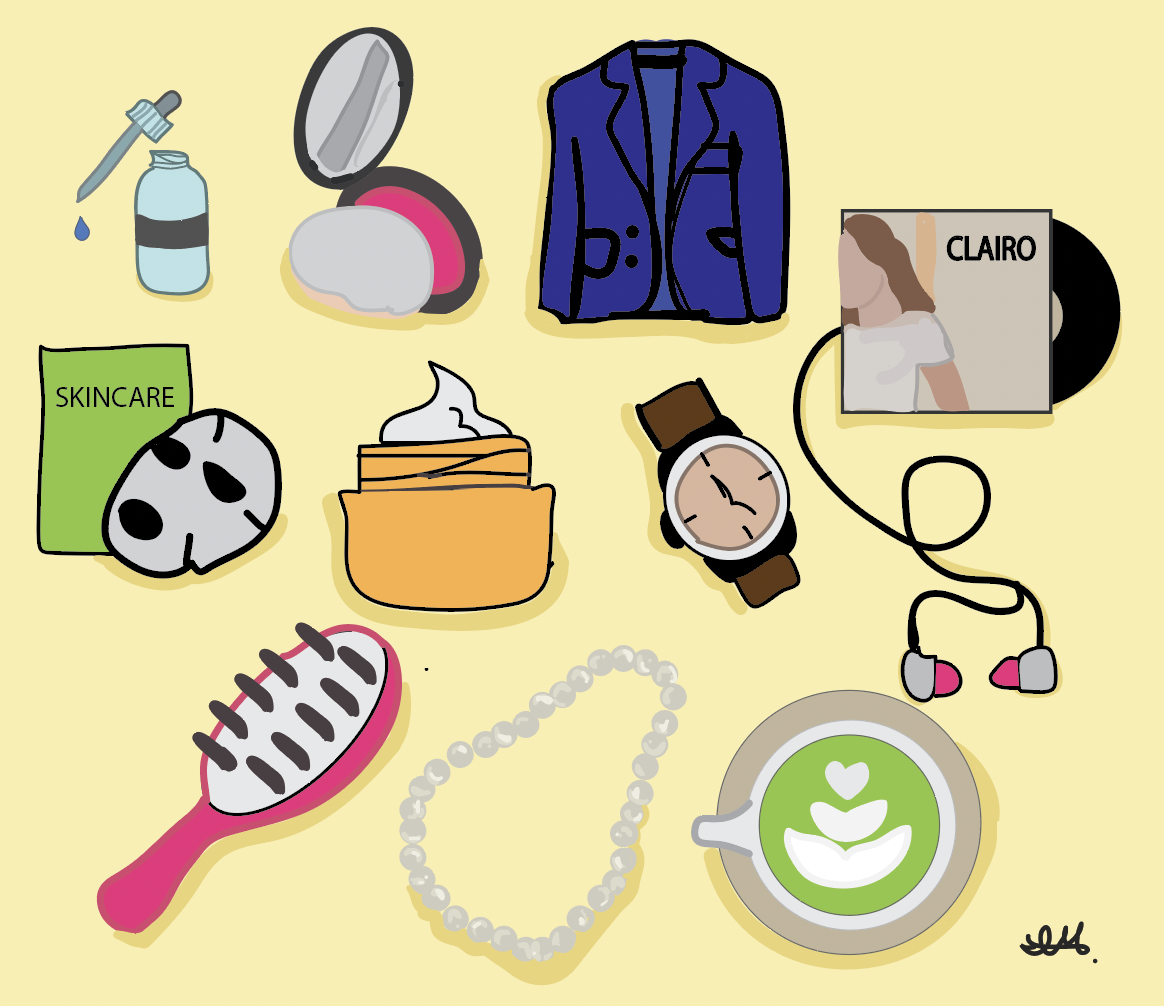
In the past few years, aesthetics have become confused with identities. Aesthetics like “clean girl,” “no makeup makeup,” “old-money,” and the “performative male” have only created more boxes to fit into. At first, these trends seem harmless and fun, but they have started to define how people think they should look and live, turning authenticity into performance. Authenticity, the quality of being true to yourself rather than performing for others, has become harder to find in a world dominated by curated content on social media. These aesthetics promise individuality but pressure us to conform to certain aspects of beauty and wealth. To be truly authentic we need to challenge the status quo, stop performing for an algorithm, and embrace imperfection– online and in real life. Take the infamous “clean girl” aesthetic that has dominated social media since 2022. Some characteristics include straight, slicked back hair, clear, glowy skin, neutral tones, and an effortless lifestyle. It may seem harmless, but it subtly tells people with larger bodies, aging skin, textured hair, acne and other skin conditions, and people with less income that they don’t belong in the image of “clean.” This aesthetic also influences subtrends like “no makeup makeup.” This refers to a certain type of makeup routine that includes little to no makeup products: no foundation, blush, eyeshadow, or lipstick. But it also requires a lot of expensive skin care products to achieve. According to British Vogue, the “clean girl” aesthetic is supposedly simple, but “it is anything but effortless-it demands time, money, and discipline.”
While asking my friends about harmful aesthetics, Dana ‘26 mentioned that she is sometimes referred to as a “clean girl,” an aesthetic that many “admire.” Although it’s still popular, she believes that “more people are realizing that it doesn’t mean anything.” She agrees that it can strain those who don’t fit into that perfect mold, and truly believes that “perfection can never be reached.” She acknowledges the larger issue: what looks like authenticity online is just another performance of perfection.
But if we all aspire to be clean girls, what do we call people who don’t fit this mold? By defining “clean,” we are unintentionally defining its opposite: “dirty.” Therefore the people who aren’t clean girls represent the majority of us who are not perfectly composed. The Clean Girl aesthetic doesn’t celebrate authenticity; it replaces it with performance. There is nothing wrong with enjoying the aesthetic, but when people start changing their lifestyle to meet unrealistic standards, that is when it crosses the line.
The “old money” aesthetic, although not as popular or long-stated as the clean girl, is just as harmful. According to GQ, the old money aesthetic “is rooted in generational wealth and understated luxury. It pretends that wealth is attainable for everyone. It is characterized by expensive jewelry like pearl necklaces, gold, and a quiet luxury wardrobe. By idolizing this image, we are making wealth look like just another fashion choice. Just like the Clean Girl Aesthetic, the Old Money look turns privilege into performance, creating another curated identity that’s unauthentic.
Even men are not spared from online aesthetics. The “performative male,” a term that has been exploding across platforms, has also challenged self-expression. This aesthetic has been encouraging men to appear emotionally detached, a feminist, and fit into one style choice. It’s characterized by playlists full of Clairo, vintage tees, matcha, and nonchalance. Its defining characteristic is that it is built to reject traditional masculinity, but in reality it ends up mocking femininity.
One senior, Wyatt ‘26, said he doesn’t see himself that way, though he’s been called a performative male “multiple times.” “The word can be overused sometimes,” he explained, adding that he’s never considered himself to be performative, he’s simply being himself. This conversation reveals the irony of the trend: people are being pressured to appear genuine rather than be genuine.
Some argue that aesthetics are forms of self-expression by digital means. Yes, fashion and style have always built identity and for some, following an aesthetic can help you find your community and confidence. But it becomes a problem when following aesthetics becomes an expectation. Suddenly something that started out fun becomes purely performance. Following aesthetics has only lessened creativity, turning personality into a product.
Instead of focusing on people’s perception of us, we need to focus on embracing the messiness of life. Real life should be separate from trends, and social media should become a space for connection. Authenticity is not about fitting in, filtering yourself, or limiting yourself to an aesthetic. It is about being yourself, and being genuine can be a little messy sometimes. So I encourage you to accept the messy, reject performance, and be your authentic self, regardless of aesthetics.